
MERA Project (Mangrove Ecosystem Restoration Alliance)
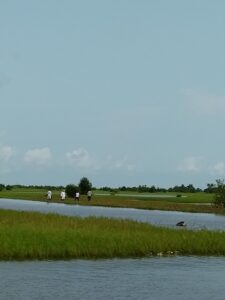
Location: Okonla, Ilaje (Pilot Phase)
The MERA – Mangrove Ecosystem Restoration Alliance Project is a community-driven environmental restoration initiative focused on rehabilitating degraded mangrove ecosystems while strengthening climate resilience and sustainable livelihoods in coastal communities.
Implemented in Okonla, Ilaje, this pilot phase demonstrates a scalable, partnership-based model for ecosystem restoration rooted in local participation and long-term sustainability.
Project Achievements
1. Mangrove Restoration
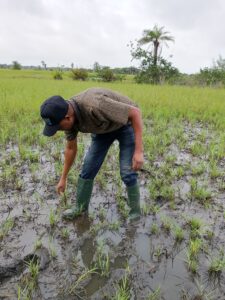
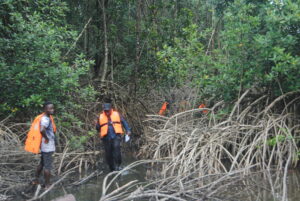
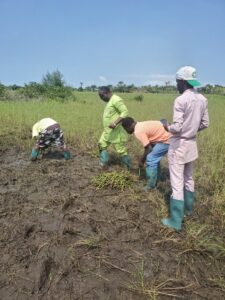
The project successfully restored 50 hectares of mangrove forest within the Okonla community. This contributes to:
- Coastal protection and erosion control
- Biodiversity conservation
- Long-term carbon sequestration
2. Sustainable Livelihoods – Aquaculture Support
To complement environmental restoration with economic empowerment:
- Floating fishing cages and improved aquaculture practices were introduced
- Selected participants received hands-on support and equipment
- Beneficiaries demonstrated commitment through token contributions toward fish feed for fingerlings
This approach ensures ownership, accountability, and sustainability of the intervention.
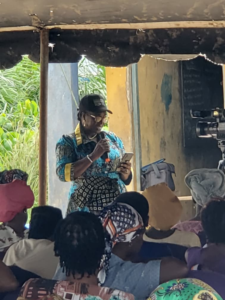
3. Community-Led Collaboration
The success of the MERA project was driven by strong local partnerships:
- The Okonla community played a central role in implementation
- Neighboring communities such as Zion Pepe contributed mangrove propagules
- These propagules supported the establishment of nurseries and the full restoration site
This collaborative model highlights the power of inter-community cooperation and indigenous resource mobilization.
Environmental Impact and Carbon Sequestration
Carbon Sequestration Potential (50 Hectares)
- Annual sequestration: ~300–400 metric tonnes of CO₂ equivalent
- Total carbon storage: ~20,000–30,000 metric tonnes of CO₂ equivalent
- Mangroves store 3–5 times more carbon per hectare than tropical forests, due to their dense root systems and waterlogged soils
Vehicle Emissions Comparison
- Average passenger vehicle: ~4.6 metric tonnes CO₂/year
- Annual impact: Equivalent to offsetting emissions from 65–85 vehicles per year
- Total storage impact: Comparable to the lifetime emissions of 4,300–6,500 vehicles
Sustainability and Monitoring
To ensure long-term success:
- Continuous monitoring and technical support will be provided
- Ongoing collaboration between CHUSSDEV and community leaders
- Adaptive management to maintain both ecological and economic outcome
Partnership and Support
This project was implemented through collaborative support from:
- Small Grants Programme (SGP)
- Global Environment Facility (GEF)
- United Nations Development Programme (UNDP)
Conclusion
The MERA Project stands as a model of community-led climate action, demonstrating how ecosystem restoration and livelihood development can be effectively integrated. Through strong partnerships and local ownership, the project delivers measurable environmental impact while building resilience in vulnerable coastal communities.