
MERA Project
Mangrove Ecosystem Restoration and Afforestation Project
Restoring Coastal Ecosystems & Empowering Livelihoods in Okonla, Ilaje.
MERA Project (Mangrove Ecosystem Restoration and Afforestation Project)
Location: OKO-NLA, ILAJE (Pilot Phase)
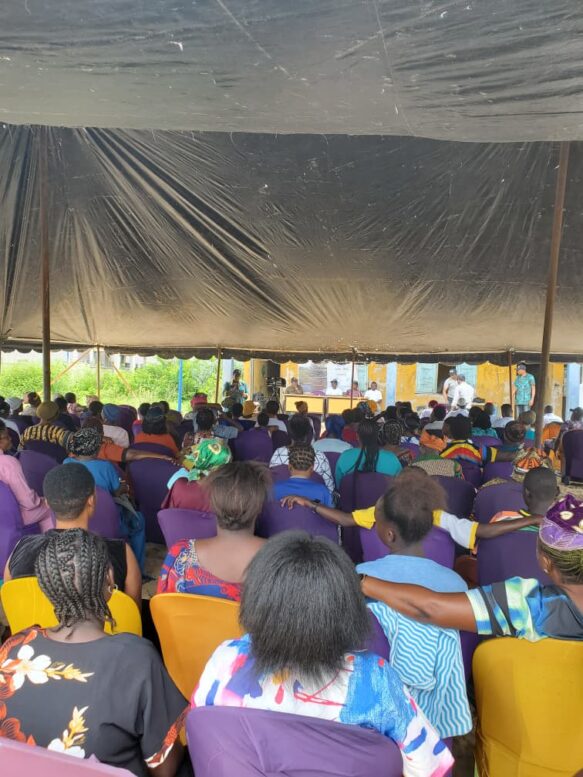
The MERA – Mangrove Ecosystem Restoration and Afforestation Project represents a strategic, community-driven initiative focused on restoring degraded mangrove ecosystems while strengthening local livelihoods and climate resilience in coastal communities.
Implemented in Oko-Nla, Ilaje, this pilot phase demonstrates a scalable model for ecosystem restoration through collaboration, sustainability, and local participation.
Key Achievements
- Mangrove Restoration:
The project successfully restored 50 hectares of mangrove forest within the Okonla community. This effort contributes significantly to biodiversity conservation, shoreline protection, and carbon sequestration. - Livelihood Support – Sustainable Aquaculture:
As part of its integrated approach, the project facilitated the introduction and handover of floating fishing cages and modern aquaculture practices to selected community participants. Beneficiaries were chosen based on demonstrated interest and commitment, including a token contribution toward fish feed procurement for fingerlings. This ensures ownership, sustainability, and long-term economic benefit. - Community Collaboration and Resource Mobilization:
The success of the project was driven by strong community partnerships. Neighboring communities, particularly Zion Pepe, played a vital role by supplying mangrove propagules, which were used to establish nurseries and develop the full restoration site. This collective effort highlights the importance of local knowledge and inter-community cooperation in environmental projects.
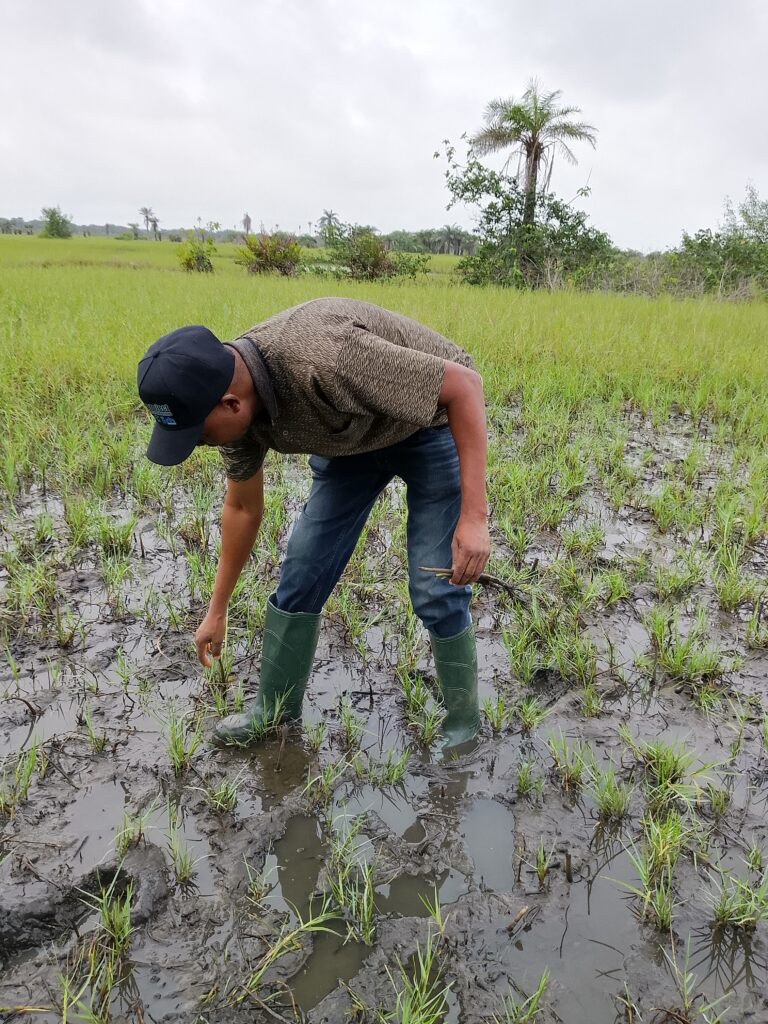
The project successfully restored 50 hectares of mangrove forest within the Okonla community. This effort contributes significantly to biodiversity conservation, shoreline protection, and carbon sequestration.
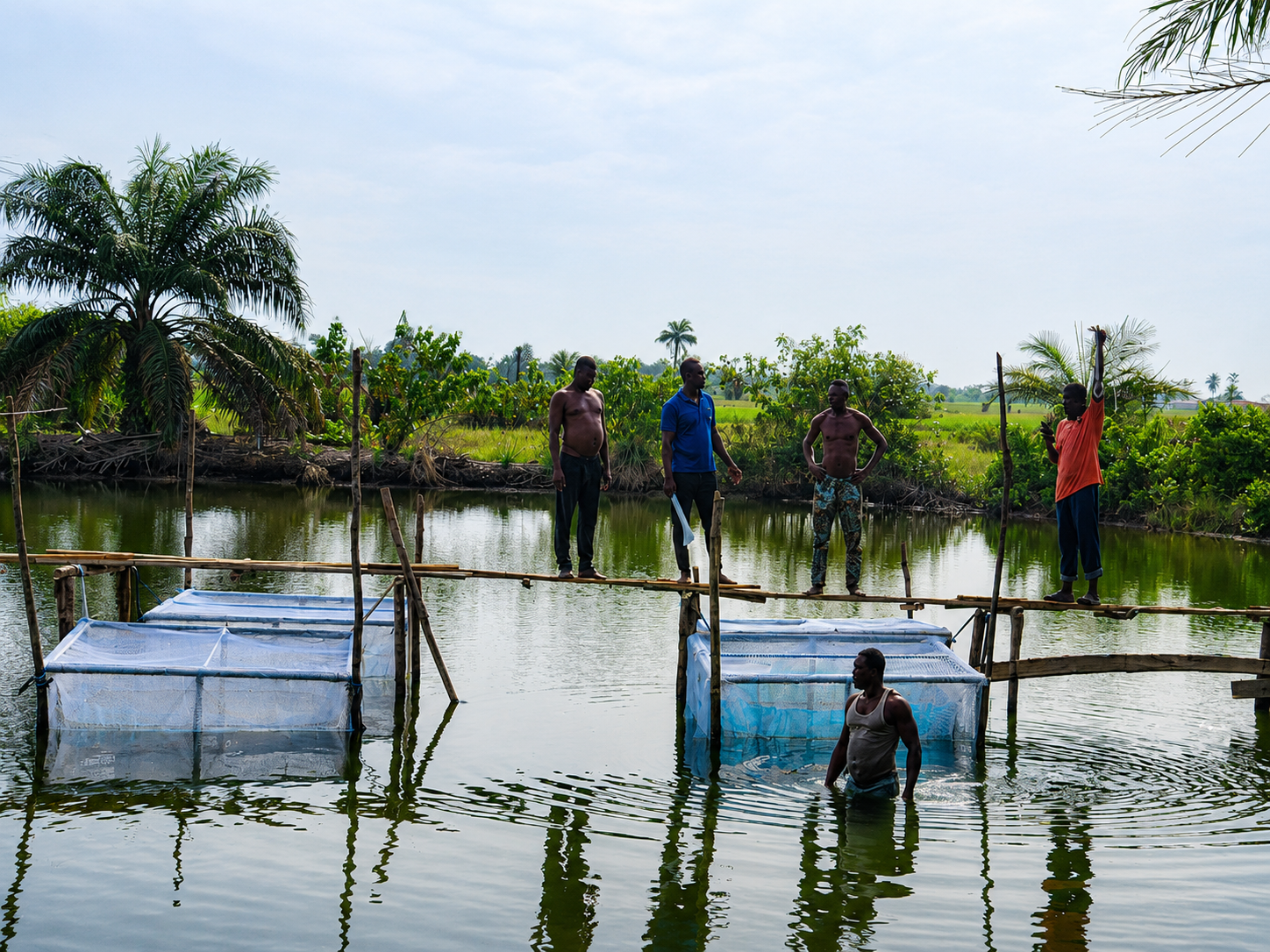
As part of its integrated approach, the project facilitated the introduction and handover of floating fishing cages and modern aquaculture practices to selected community participants. Beneficiaries were chosen based on demonstrated interest and commitment, including a token contribution toward fish feed procurement for fingerlings. This ensures ownership, sustainability, and long-term economic benefit.
The success of the project was driven by strong community partnerships. Neighboring communities, particularly Zion Pepe, played a vital role by supplying mangrove propagules, which were used to establish nurseries and develop the full restoration site. This collective effort highlights the importance of local knowledge and inter-community cooperation in environmental projects.
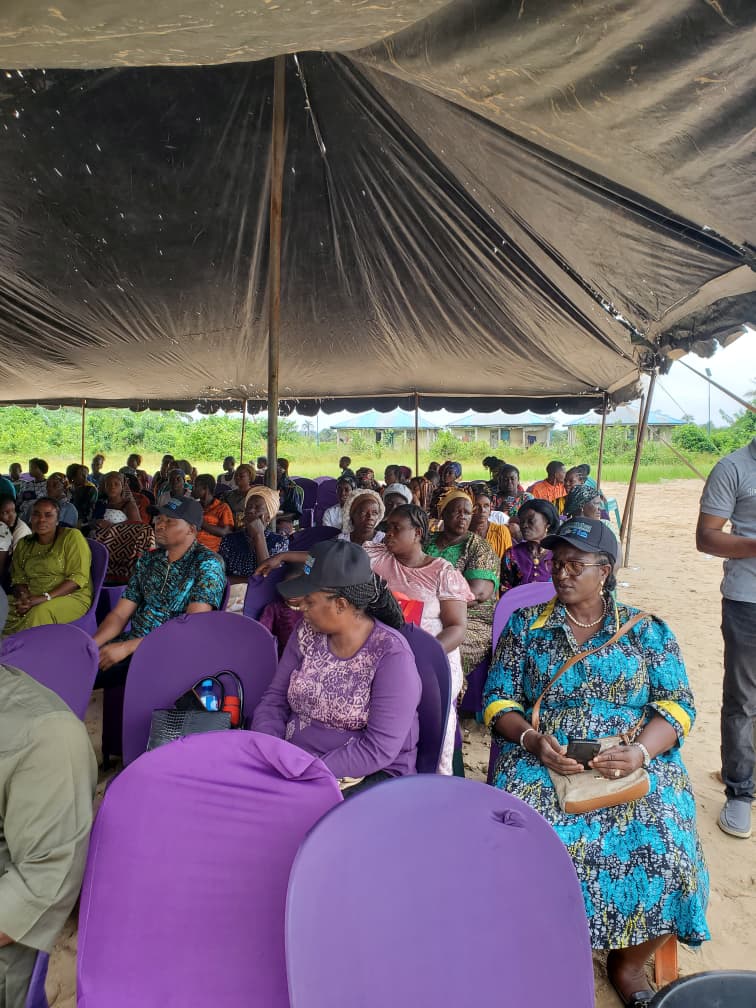
Workshop and training
Mangrove Restoration
50 Hectares Restored
Successfully restored coastal forest in Oko-Nla to boost biodiversity, shield shorelines, and accelerate carbon sequestration
Livelihood Support
Floating Fishing Cages
Handed over modern aquaculture cages to local beneficiaries with co-investment in feed to drive long-term economic independence
Resource Mobilization
Floating Fishing Cages
Mobilized neighboring communities to supply local mangrove propagules for nursery development and restoration
Talk to us
Have any questions? We are always open to talk about new projects, creative opportunities and how we can help you.